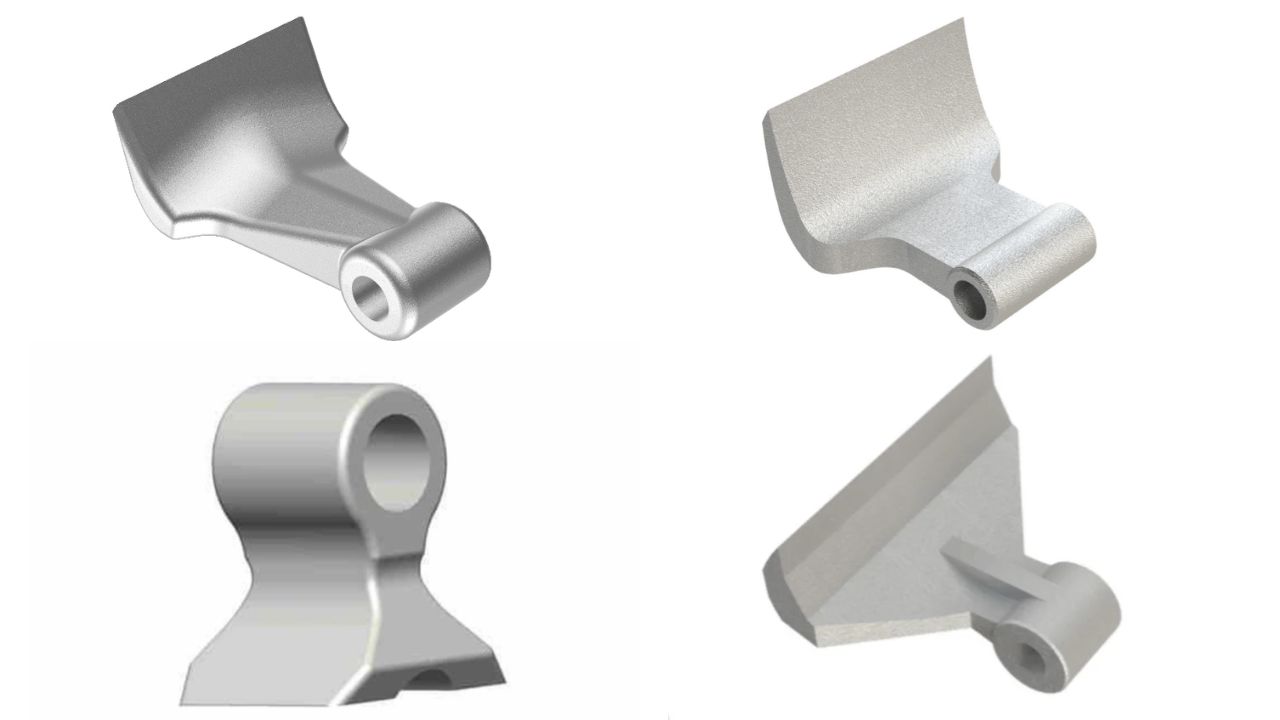
The flail hammer blades are applied to machinery that cuts down the grass in the overgrown lands. The design is made to cut grass, brushwood, and woody plants that cannot be easily handled with conventional cutting tools. The blade works on impact rather than cutting only once. This function is important in cases where land management was not performed for a long period of time and, therefore, vegetation becomes dense. The equipment manufactured by JYF Machinery can operate effectively here.
How Hammer Blades Cut
Unlike the knife that cuts with its edge, hammer blades smash against the material through swinging actions. The impact continues breaking up the vegetation until it separates. This smashing approach enables the machine to cut hard and mixed materials. Moreover, the process continues despite the material’s difficulty and unevenness.
Thick Grass Handling
Heavy grass does not necessarily imply softness. Where such grass becomes high and thick, it tends to develop into layers that are difficult to cut evenly. The flail hammer cuts such layers progressively. The rotating rotor strikes each blade of the grass several times.
Brush Cutting Ability
Brush is more resistant than grass because it includes thicker stems and small branches. Flail hammer blades are shaped to break this material through force rather than precision cutting. In field work, this allows operators to clear overgrown paths and field edges. Machines supported by JYF Machinery are often used under these conditions because they maintain steady performance during repeated impacts.
Performance on Uneven Ground
Land is rarely flat during brush clearing. Slopes, dips, and uneven surfaces are common. Hammer blades continue working even when the machine moves across these changes. Because each blade moves independently on the rotor, it can adjust to surface variations while still maintaining cutting contact with vegetation.
Resistance from Hidden Objects
Heavy vegetation often hides rocks, roots, or other hard objects. When blades strike these items, they experience a sudden impact. Hammer blades are built to handle this kind of stress. The repeated-strike design helps reduce the risk of immediate breakage, although wear still increases over time under such conditions.
Cutting Depth Control
Depth matters when clearing brush. Cutting too deep can disturb soil, while shallow cutting may leave vegetation behind. Flail hammer blades allow gradual reduction of vegetation height through repeated passes. This helps control the amount of material removed in each cycle.
Rotor Interaction
All hammer blades are connected to a rotating shaft inside the mower. As the rotor spins, each blade follows a circular path and strikes vegetation in sequence. This continuous motion ensures that cutting happens evenly across the working width. It also reduces gaps in cleared areas.
Wear from Continuous Use
Wear is a natural part of hammer blade operation. Each impact slowly reduces the sharpness of the cutting edge. In long working sessions, this wear becomes more noticeable. Equipment from JYF Machinery is often used in these scenarios because it is designed to maintain performance over extended periods before replacement is needed.
Importance of Blade Balance
Balanced blades help the machine run smoothly. Suppose one side wears faster than the other, vibration increases during operation. This vibration can affect both cutting quality and machine stability. Keeping blades in similar condition helps maintain even rotation.
Impact on Clearing Speed
The speed of vegetation removal depends on how efficiently the blades break material. A stronger brush requires more passes, while lighter growth clears faster. Hammer blades are not designed for precision speed but for the steady breakdown of difficult material. This makes them suitable for long clearing jobs.
Soil Interaction During Cutting
In heavy vegetation, blades sometimes touch the soil while cutting low growth. This contact adds extra resistance. Soil particles can also act as abrasives, slowly reducing blade sharpness. This is why working height and machine control matter in field conditions.
Field Conditions and Adaptability
No two clearing sites are the same. One area may have soft grass, while another has thick brush and scattered trees. Flail hammer blades adapt to these changing conditions by using repeated impact rather than a fixed cutting style. This flexibility helps maintain consistent clearing results across different environments.
Machine Stress Factors
Blade performance also affects the machine itself. Poorly performing blades can increase strain on the rotor and bearings. When blades are in good condition, the machine runs with less resistance. This helps maintain stable operation during long work periods.
Conclusion
Flail hammer blades are built for heavy vegetation and brush cutting, where simple tools are not enough. Their impact-based cutting method allows them to break down grass, brush, and small woody plants across a range of ground conditions. Their performance depends on material strength, balance, and working conditions in the field. In demanding environments, systems supported by JYF Machinery are often used to maintain consistent cutting results throughout long, varied clearing operations.